Temporary Email vs Email Alias: Which One Should You Use?

Temp-Mail.app Team
5/7/2026
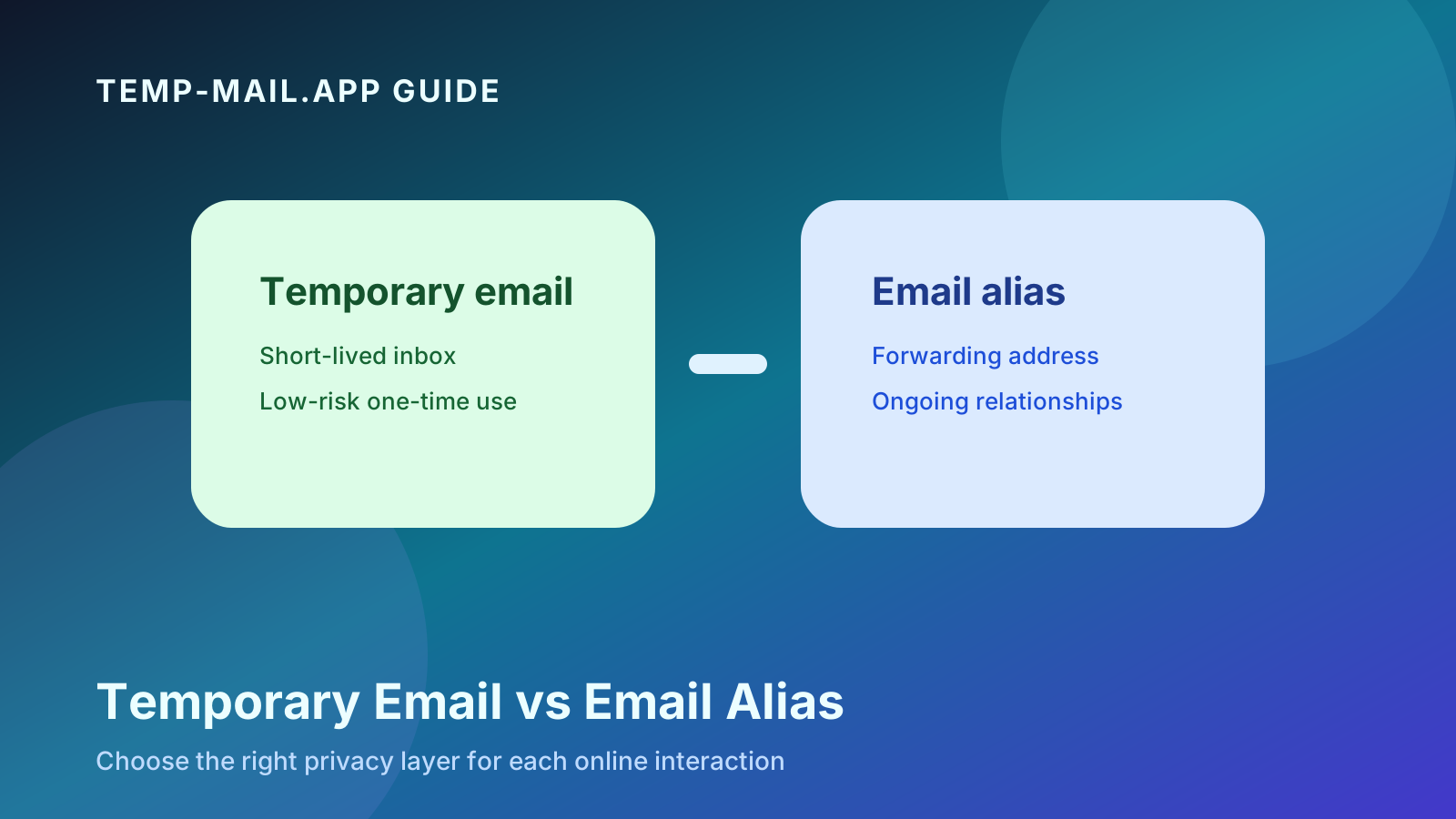
Temporary email and email aliases are often mentioned together, but they solve different problems. Both can help protect your real inbox. Both can reduce spam exposure. Both can make online signups safer. The difference is how long you need the address to work and how much trust the account deserves.
A temporary email address is best for short-lived, low-risk interactions where you only need one message. An email alias is better for ongoing relationships where you want to keep receiving messages without revealing your primary address.
At temp-mail.app, we treat temporary email as a privacy, spam protection, online safety, and developer testing tool. It should not be used for fraud, impersonation, ban evasion, platform abuse, or accounts that require long-term access.
This guide explains the difference so you can choose the right tool without overexposing your real email address.
What is temporary email?
Temporary email is a short-lived inbox created for limited use. You use it when you need to receive a low-risk message, such as a confirmation email, test message, or product evaluation email, without giving out your permanent address.
It is useful when:
- You only need one message
- The interaction is low-stakes
- You do not expect account recovery later
- You are testing your own email flow
- You want to keep marketing follow-up away from your main inbox
The important limitation is continuity. Temporary inboxes are not designed to be long-term archives. If the account might need password resets, receipts, support, billing messages, or identity verification later, temporary email is the wrong tool.
What is an email alias?
An email alias is a forwarding address that sends messages to your real inbox without revealing the real address to the website. For example, you might create one alias for shopping, another for newsletters, and another for a specific SaaS product.
Aliases are useful when:
- You expect to receive future messages
- You want to identify which sender leaked or overused an address
- You need account recovery but still want separation
- You want to disable one address without changing your primary inbox
- You trust the service enough for an ongoing relationship
Aliases are usually a better choice for accounts you may keep. They give you continuity and control at the same time.
The simplest decision rule
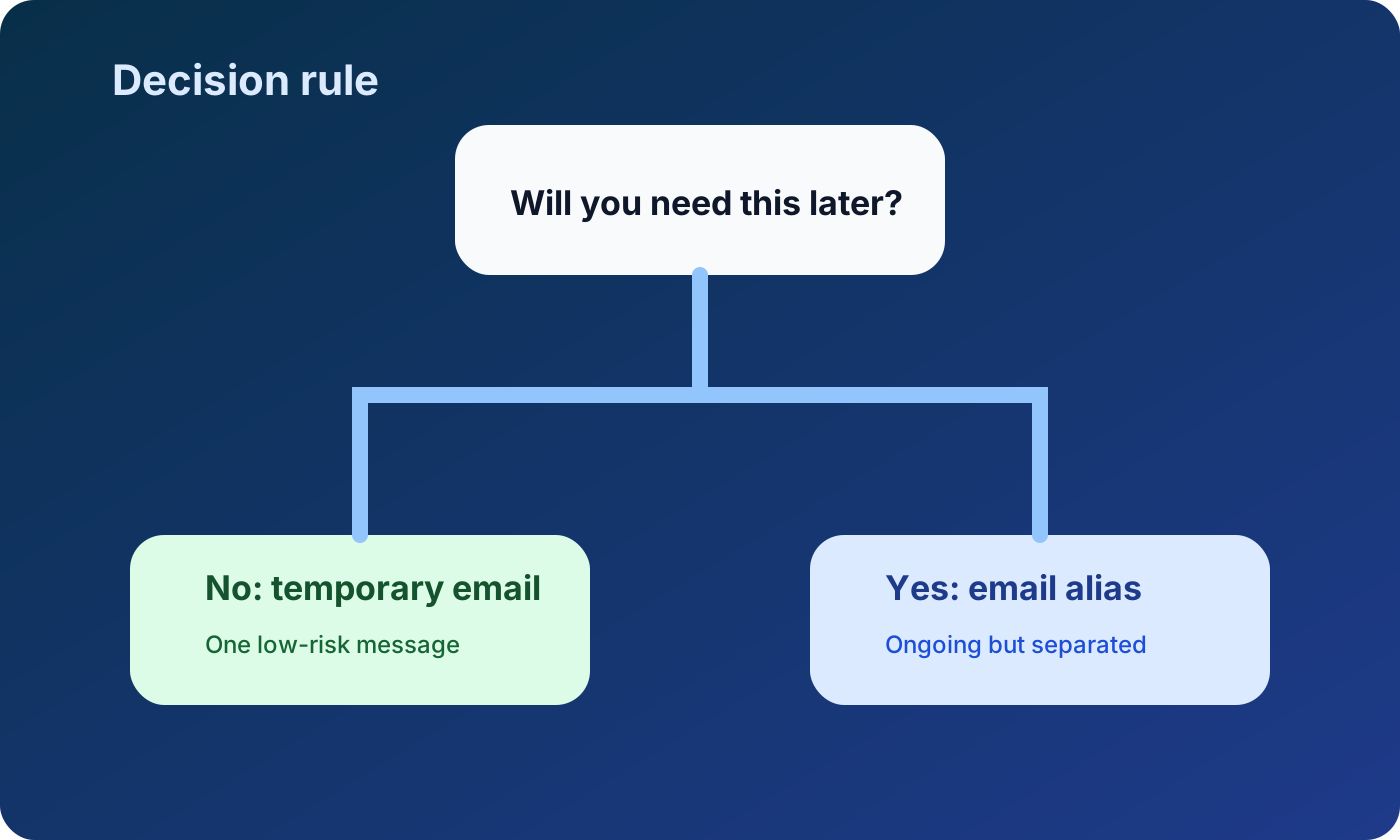
Ask one question before choosing:
Will I need this email address to work later?
If the answer is no, temporary email may be appropriate. If the answer is yes, use an alias or a permanent inbox.
This rule prevents the most common mistake: using a disposable inbox for an account that later becomes important. A temporary inbox can be convenient today, but it can become a problem if you need a password reset next month.
For signups on unfamiliar websites, combine this rule with the safety checklist in Best Practices for Signing Up on Unknown Websites.
Compare the lifecycle
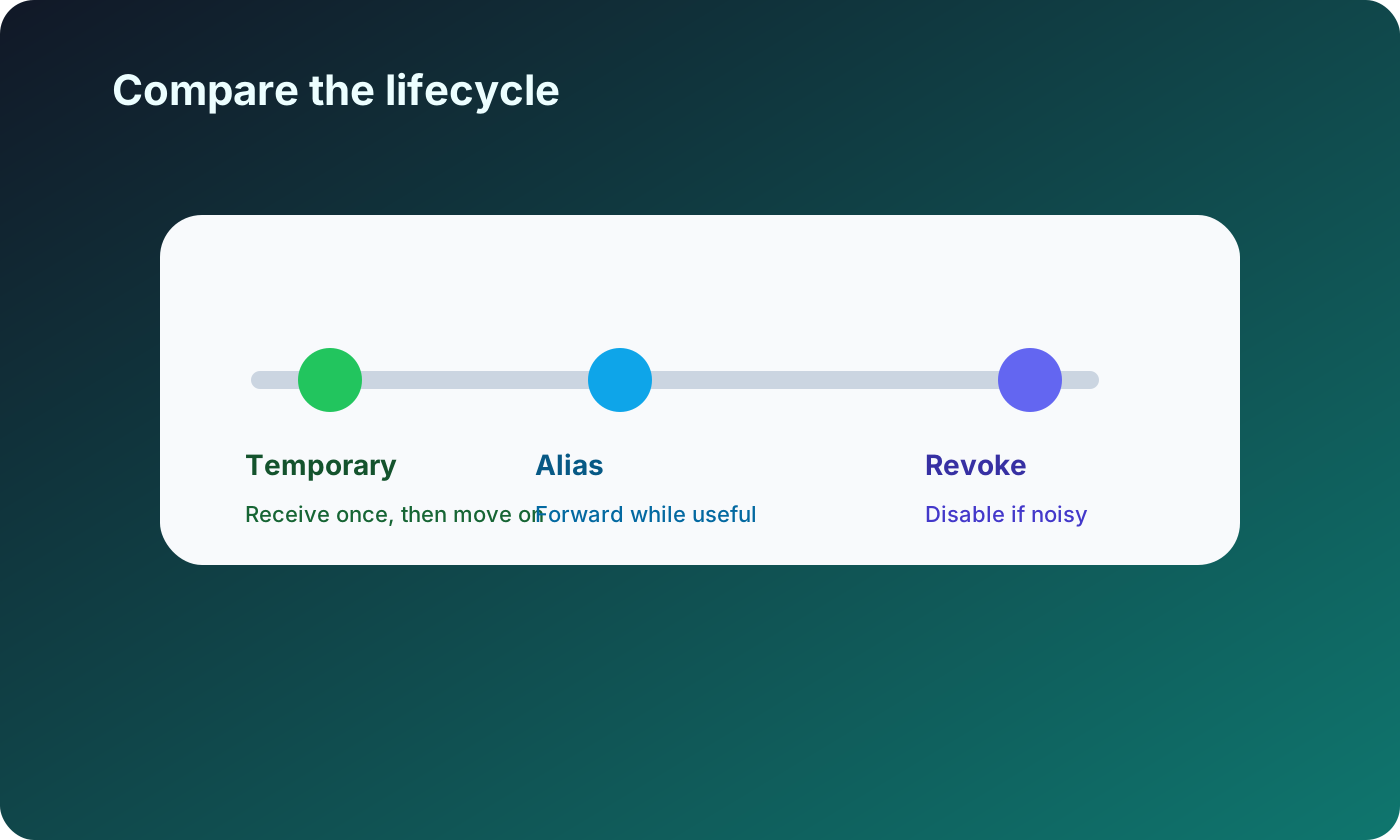
Temporary email and aliases have different lifecycles.
Temporary email is designed for a short interaction:
- Generate an inbox.
- Receive the message.
- Complete the low-risk task.
- Move on.
An alias is designed for a longer relationship:
- Create an address for a specific service or category.
- Receive messages over time.
- Monitor whether the alias becomes noisy.
- Disable or replace it if needed.
This is why aliases are often better for newsletters, stores, communities, and SaaS accounts. Temporary email is better for demos, research, and authorized testing where you only need one message.
Use temporary email when the interaction is disposable
Temporary email works best when the task is disposable too. That means losing the inbox later would not cause a problem.
Good examples include:
- Testing your own signup confirmation flow
- Checking whether a product sends a first email correctly
- Evaluating a low-risk demo before deciding whether to create a real account
- Receiving one message for a non-sensitive resource
- Separating quick research from your personal inbox
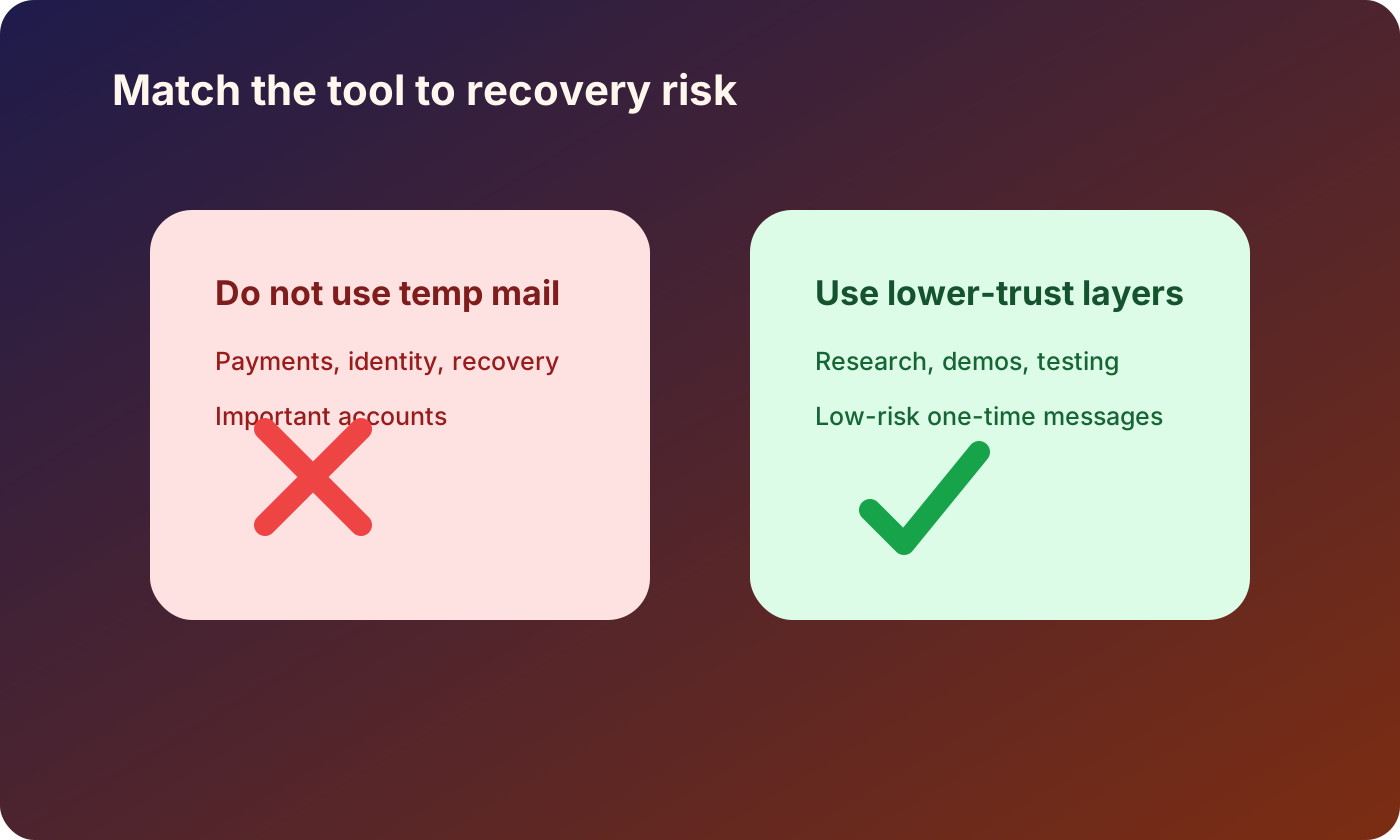
Temporary email should not be used for banking, healthcare, work tools, purchases, official accounts, identity checks, important social profiles, or anything connected to recovery.
Use an alias when the relationship may continue
Aliases are stronger when you want separation without losing continuity. If you may need invoices, support replies, product updates, or password resets, an alias gives you more control than a temporary inbox.
Good alias uses include:
- Online stores
- Newsletters you actually read
- SaaS trials you may keep using
- Forums or communities
- Public contact addresses
- Vendor accounts for a business or project
If an alias becomes noisy, you can disable it or create a replacement. Your real inbox remains protected.
Think about risk and recovery
The more important the account, the more stable the email should be. A privacy tool should not create recovery risk.
Use a stable inbox or alias for:
- Payment accounts
- Legal or identity-related services
- Work and client systems
- Healthcare and insurance portals
- Purchases with receipts or returns
- Any account you may need later
Use temporary email only when the account has no long-term value and no sensitive information.
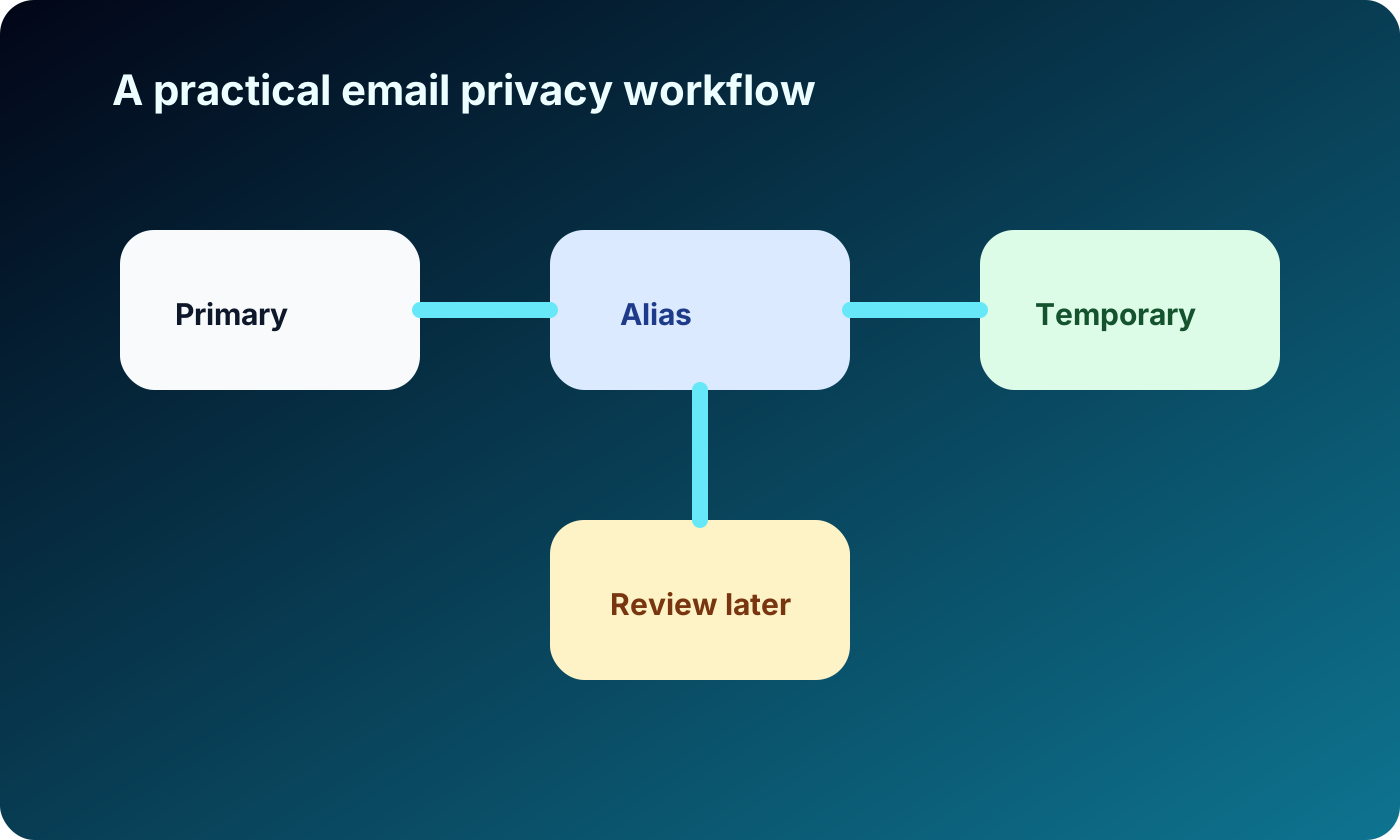
A practical workflow
A healthy email privacy setup can use all three layers:
- Primary email for your most important accounts
- Aliases for ongoing but separated relationships
- Temporary email for low-risk one-time tasks
Before signing up, choose the layer based on trust, recovery needs, and expected future value. This keeps your main inbox cleaner without making normal online activity difficult.
FAQ
Is temporary email the same as an email alias?
No. Temporary email is usually short-lived and meant for one-time use. An email alias forwards to your real inbox and is better for ongoing relationships.
Which is better for privacy?
It depends on the task. Temporary email is more private for short-lived, low-risk interactions. Aliases are better when you need future access while still hiding your primary address.
Can I use temporary email for newsletters?
Usually an alias is better. If you want to keep reading the newsletter, you need continuity. Temporary email is only appropriate if you need one message and do not care about future delivery.
Should I use an alias for shopping accounts?
Yes, in many cases. Shopping accounts often need receipts, shipping updates, return messages, and support replies. An alias can protect your real inbox while preserving access.
When should I use my real email instead?
Use your real email or a highly trusted permanent address for important accounts involving identity, finance, healthcare, work, recovery, or long-term access.
Disclaimer
This article is for general privacy and online safety education. Temporary email and aliases should be used responsibly for legitimate privacy protection, spam reduction, and authorized testing. Do not use them for fraud, abuse, impersonation, evading platform rules, bypassing bans, or creating accounts that require verified identity or long-term access.